leprosy is genetic or not Leprosy turns the immune system against itself, study finds
Leprosy, also known as Hansen’s disease, is a chronic infectious disease caused by the bacterium Mycobacterium leprae. It primarily affects the skin, peripheral nerves, and the upper respiratory tract. Leprosy has been a highly stigmatized and misunderstood disease throughout history, causing social isolation and discrimination towards those affected. However, recent studies have shed new light on the mechanisms behind leprosy and how it affects the immune system.
Leprosy: An Unveiling of Immune System Interactions
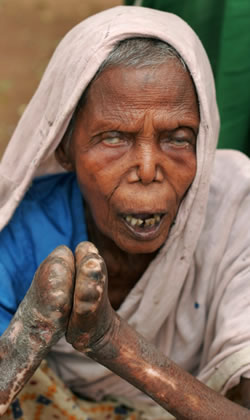
A study has discovered that leprosy turns the immune system against itself. This groundbreaking finding highlights the complex and intricate interactions that occur within our bodies when faced with an infectious disease. In individuals affected by leprosy, the immune system becomes dysregulated, leading to a variety of symptoms and complications.
 Diving Deeper into the Study
Researchers have identified a specific group of immune cells, known as T-helper 17 cells, that play a critical role in the development and progression of leprosy. These cells are normally responsible for fighting off bacterial and fungal infections. However, in individuals with leprosy, these cells become overactive, leading to an imbalance of the immune response.
Furthermore, the study has revealed that leprosy triggers an excessive release of certain immune system molecules, called cytokines, which contribute to the damage of healthy tissues. The persistent release of cytokines ultimately leads to the characteristic symptoms of leprosy, including skin lesions, nerve damage, and even deformities.
 Breaking the Cycle of Stigmatization
It is important to address the social stigma surrounding leprosy that has persisted for centuries. Leprosy is not highly contagious, and it can be easily treated with antibiotics. Early diagnosis and timely treatment can prevent severe complications and reduce the risk of transmission. By raising awareness about the disease and promoting inclusive communities, we can help break the cycle of stigmatization and discrimination.
Conclusion
The recent study on leprosy and its impact on the immune system has provided valuable insights into the mechanisms behind this ancient disease. Understanding the complex interactions between the bacteria and our immune system opens up new possibilities for improved treatments and interventions. It is crucial to support ongoing research efforts and raise awareness about leprosy to ensure timely diagnosis, treatment, and support for those affected.
Let us stand together in fostering empathy, understanding, and compassion towards individuals affected by leprosy. By doing so, we can create a more inclusive society where everyone, regardless of their health condition, can live a life free from stigma and discrimination.
If you are looking for Leprosy turns the immune system against itself, study finds you’ve visit to the right web. We have 5 Pics about Leprosy turns the immune system against itself, study finds like DIAGNOSTIC: leprosy, Signs and Symptoms - Leprosy and also Leprosy. Read more:
Leprosy Turns The Immune System Against Itself, Study Finds
medicalxpress.comleprosy leprae mycobacterium lepromatous tuberculoid cells causative acid fast disease outline bacteria agents difference nerve organism between immune health red
Leprosy
leprosyinfo.blogspot.comleprosy water body skin drink don disease hansen happens when people whole fall off horses running presence
DIAGNOSTIC: Leprosy
 angler-khagen.blogspot.comleprosy disease hansen diagnostic introduction ancient indian
Leprosy: Symptoms And Treatment – Healthsoul
 healthsoul.comleprosy symptoms treatment healthsoul disease factors risk
Signs And Symptoms - Leprosy
 leprosylearning.weebly.comleprosy symptoms signs
Leprosy leprae mycobacterium lepromatous tuberculoid cells causative acid fast disease outline bacteria agents difference nerve organism between immune health red. Leprosy symptoms treatment healthsoul disease factors risk. Leprosy disease hansen diagnostic introduction ancient indian